Discover the Timeless Beauty of Ethnic Folk Embroidery Patterns
Embroidery has long been a cherished art form, deeply rooted in cultural traditions and storytelling. Among the many styles that have emerged over centuries, ethnic folk embroidery patterns stand out for their intricate designs, vibrant colors, and rich historical significance. These patterns are more than just decorative elements; they are a reflection of heritage, identity, and artistic expression. In this article, we explore the world of ethnic folk embroidery, its origins, and how it continues to inspire modern creativity.
What Are Ethnic Folk Embroidery Patterns?
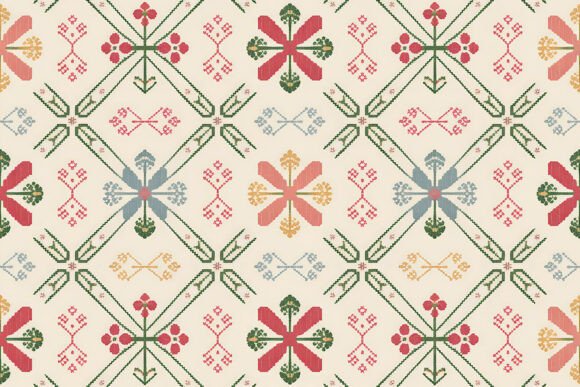
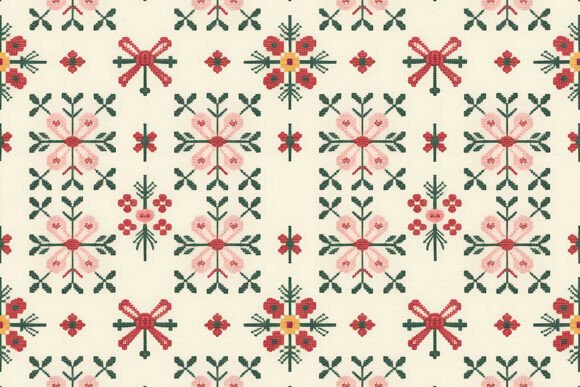
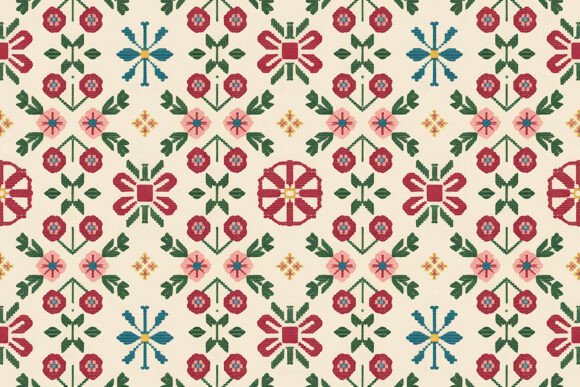
Ethnic folk embroidery patterns are traditional designs passed down through generations, often associated with specific regions, tribes, or communities. These patterns are characterized by their use of botanical, ornamental, and floral motifs, which are meticulously hand-drawn and stitched using techniques like cross-stitching. The result is a seamless, high-resolution design that captures the essence of folk art in a digital format.
One such example is our Ethnic Folk Embroidery Pattern Design, which measures an impressive 7200x7200px. This resolution ensures that every detail is preserved, making it ideal for a wide range of applications. From scrapbook papers to textile prints, this pattern brings the charm of traditional crafts into the modern era.
The Cultural Significance of Folk Embroidery
Folk embroidery is more than just an aesthetic choice—it is a cultural artifact that tells stories of the past. Each stitch, color, and motif carries meaning, often symbolizing nature, spirituality, or community values. For instance, in many cultures, floral patterns represent fertility and growth, while geometric shapes may signify protection or unity.
This deep connection to tradition makes ethnic folk embroidery patterns a powerful tool for preserving cultural heritage. By incorporating these designs into contemporary projects, artists and crafters can honor the past while creating something new and meaningful.
Why Ethnic Folk Embroidery Patterns Matter Today
In today’s fast-paced, digital world, there is a growing appreciation for handmade and traditional crafts. Ethnic folk embroidery patterns offer a way to connect with these roots, bringing a sense of authenticity and warmth to modern spaces. Whether you're a DIY enthusiast, a designer, or simply someone who loves unique aesthetics, these patterns provide endless creative possibilities.
For example, the symmetrical and bohemian elements of ethnic folk embroidery can transform a simple scrapbook into a work of art. The vintage, rustic stitches evoke a cottagecore vibe, perfect for those who enjoy whimsical, nostalgic designs. Additionally, the pattern's inventive repetition makes it ideal for wallpapers, gift wraps, and borders—offering both beauty and functionality.
How to Use Ethnic Folk Embroidery Patterns
The versatility of ethnic folk embroidery patterns makes them suitable for a wide range of applications. Here are some ideas to get you started:
- Craft Projects: Use the pattern as a background for embroidery, fabric printing, or paper crafts. Its high-resolution quality ensures that even the smallest details are visible.
- Printable Patterns: Create one-of-a-kind printable designs for personal or commercial use. The seamless nature of the pattern allows for easy repetition and customization.
- Scrapbooking: Add a touch of elegance to your scrapbook pages with this ornate texture. The combination of botanical and floral motifs creates a visually striking effect.
- Wallpapers and Banners: Transform your digital space with this intricate design. Its vintage appeal adds a unique flair to any online platform or social media profile.
Understanding the Aesthetic of Folk Embroidery
The beauty of ethnic folk embroidery lies in its ability to blend tradition with modernity. While the patterns themselves are rooted in history, their application in contemporary settings demonstrates their timeless appeal. The use of bold colors, intricate details, and symmetrical layouts gives these designs a universal charm that transcends cultural boundaries.
Moreover, the hand-drawn nature of many folk embroidery patterns adds a personal touch, making each piece unique. This quality is especially valuable in a world where mass-produced items often lack character. By choosing ethnic folk embroidery patterns, you’re not just selecting a design—you’re embracing a story, a tradition, and a piece of artistry.
Common Misconceptions About Folk Embroidery
Despite its popularity, there are several misconceptions about folk embroidery that may prevent people from exploring its potential. One common assumption is that these patterns are only suitable for traditional crafts or historical reenactments. However, the truth is that they can be adapted to fit a variety of modern contexts, from fashion to home decor.
Another misconception is that folk embroidery is difficult to replicate or use in digital formats. Thanks to advancements in technology, high-resolution patterns like our Ethnic Folk Embroidery Pattern Design make it easier than ever to incorporate these designs into digital projects. Whether you're working on a website, a graphic design, or a printable template, the precision and clarity of these patterns ensure a professional result.
Embracing the Art of Folk Embroidery
Whether you're a seasoned crafter or a beginner exploring new hobbies, ethnic folk embroidery patterns offer a gateway to creativity and cultural appreciation. They invite you to slow down, reflect on tradition, and find inspiration in the beauty of handmade art.
As you experiment with these patterns, consider how they can enhance your projects and express your personal style. From the delicate floral motifs to the bold geometric shapes, each element contributes to a larger narrative—one that celebrates the richness of human creativity across time and place.
In conclusion, ethnic folk embroidery patterns are more than just visual elements—they are a bridge between the past and the present, connecting us to the stories, values, and artistry of our ancestors. By embracing these designs, we not only honor tradition but also find new ways to express ourselves in a rapidly changing world.