Watercolor Pattern Memorial Day
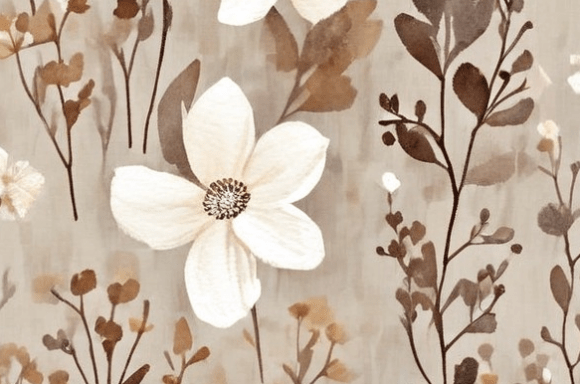
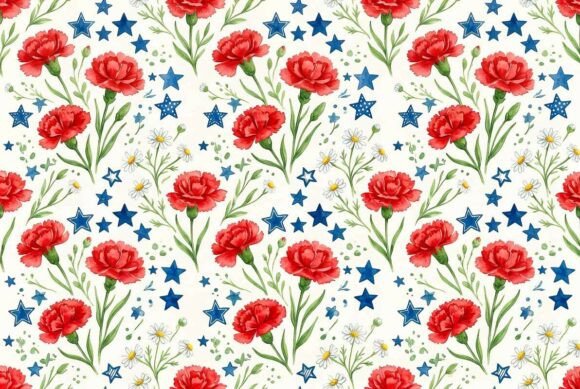
Watercolor Pattern Memorial Day offers a unique way to honor and celebrate the spirit of the holiday through art. This seamless pattern blends the softness of watercolor with patriotic symbols, creating a visual tribute that’s both elegant and meaningful. Featuring radiant red poppies, charming blue stars, and pure white flowers, it captures the essence of gratitude, remembrance, and honor in a delicate, artistic form.
For designers, artists, and creators, this pattern provides a versatile canvas for expression. Its intricate details and vibrant colors make it ideal for a range of applications, from digital projects to physical prints. Whether used as a background, a decorative element, or a standalone piece, it adds a touch of creativity and reverence to any work.
What Makes Watercolor Pattern Memorial Day Unique
Unlike traditional patriotic designs that often rely on bold, static imagery, the watercolor approach introduces fluidity and subtlety. The gentle blending of colors and soft edges create a sense of calm, making it suitable for both formal and casual settings. This balance between beauty and meaning is what makes the pattern stand out.
The use of red poppies, a symbol of remembrance, paired with blue stars and white flowers, reflects the core values of Memorial Day. These elements are not just decorative—they carry historical and cultural significance. By incorporating them into a watercolor format, the design becomes a bridge between past and present, tradition and innovation.
Creative Applications and Ideas
Designers can integrate this pattern into various projects. For example, in branding, it can be used as a background for promotional materials, adding a subtle yet powerful message of appreciation. In web design, it can serve as a header or section divider, enhancing user experience with its aesthetic appeal.
Printed materials such as posters, banners, and greeting cards can also benefit from this pattern. Its seamless nature ensures it looks cohesive across different sizes and formats. For educators, it can be a tool for teaching history, art, or design, offering students a hands-on way to explore symbolism and technique.
Artists might choose to reinterpret the pattern in their own style. Some could add textures, while others might incorporate additional elements like vintage borders or abstract shapes. This flexibility allows for personalization, making the pattern adaptable to different creative visions.
Adapting for Different Audiences and Goals
Businesses can use the pattern to connect with customers in a meaningful way. A small shop might feature it on packaging or social media posts to show support for veterans and the community. Nonprofits focused on military causes could use it in campaigns to raise awareness and funds.
For hobbyists and DIY enthusiasts, the pattern offers inspiration for crafts such as scrapbooking, embroidery, or digital collage. It can be printed and used as a template, or modified using graphic design software. This accessibility makes it a valuable resource for those looking to express their creativity in a respectful and thoughtful manner.
Bloggers and content creators can leverage the pattern to enhance their visual storytelling. Whether it’s for a post about American history, art techniques, or personal reflections, the pattern adds depth and context. It can also be used in video thumbnails or social media graphics to catch attention while maintaining a professional tone.
Practical Tips for Using the Pattern
To ensure the pattern remains effective, it’s important to maintain clarity and consistency. When using it in digital formats, consider the resolution and color accuracy to preserve its vibrancy. For print, test the design on different materials to see how it translates.
When applying the pattern to a project, think about the message you want to convey. A minimalist approach may work best for a modern, clean look, while a more detailed composition could suit a traditional or nostalgic theme. Balancing the pattern with other design elements helps prevent visual clutter and keeps the focus on the intended message.
Collaboration can also enhance the use of the pattern. Working with other creatives, such as photographers or writers, can lead to new interpretations and ideas. Sharing the pattern with communities or groups interested in art and history can spark discussions and inspire further creativity.
Conclusion: A Lasting Tribute Through Art
Watercolor Pattern Memorial Day is more than just an aesthetic choice—it’s a way to honor the past while embracing the present. Its blend of beauty and meaning makes it a powerful tool for expression across different fields and audiences. Whether used in design, education, or personal projects, it offers a unique opportunity to connect with the spirit of the holiday.
By exploring its creative potential and adapting it to specific needs, users can turn this pattern into a meaningful part of their work. Its versatility, combined with its emotional resonance, ensures it remains relevant and impactful for years to come.